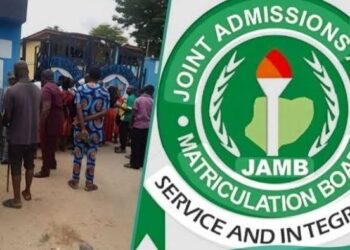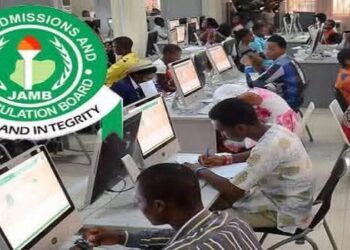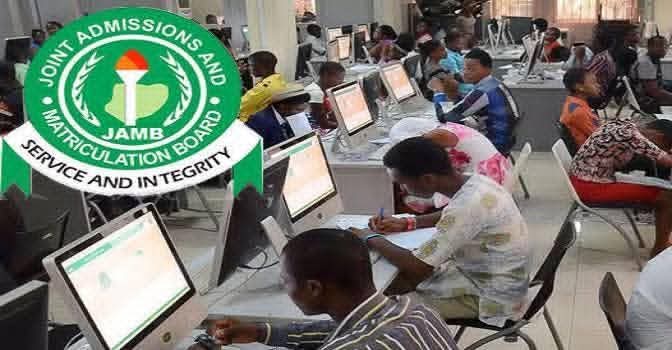
The 2026 Mock Unified Tertiary Matriculation Examination (UTME) conducted by the Joint Admissions and Matriculation Board (JAMB) was disrupted across several states in Nigeria, leaving many candidates unable to complete their exams.
Although reports from Asaba, Delta State, were among the most prominent, findings indicate that similar technical and logistical issues occurred in multiple centres nationwide.
Many accredited CBT centres experienced serious challenges, including system failures, poor technical connections, and lack of electricity, which prevented candidates from completing their examinations. In some cases, candidates waited for hours before being asked to leave due to the inability to power the systems.
The disruption affected both batches of candidates, as those scheduled for later sessions were unable to sit for the exam after the first set could not complete theirs.
Candidates who spoke on the situation expressed frustration, with many revealing that their exams were interrupted midway due to power outages. Others raised concerns about whether their incomplete exams would be successfully submitted.
In addition, several candidates complained about issues with the newly introduced exam software. Some reported that the on-screen calculator malfunctioned, with certain keys such as “0” not responding properly. Others also alleged that a few questions appeared with pre-indicated answers, such as prompts suggesting “Option B is the correct answer,” raising concerns about the integrity of the system.
Parents also voiced disappointment, citing wasted time, transportation costs, and the early reporting time of 6:30 AM, which they described as stressful and risky given current security concerns.
Stakeholders have called on JAMB to urgently address these widespread technical and operational challenges before the commencement of the main UTME scheduled in the coming weeks.
Efforts to obtain an official response from JAMB and affected centres were largely unsuccessful at the time of reporting, although one official indicated that improvements would be made going forward.
The situation has raised fresh concerns about the readiness of CBT centres nationwide, especially in light of similar technical challenges experienced in previous UTME exercises.